
Sermorelin + Ipamorelin (Blend)
What is Sermorelin + Ipamorelin (Blend)?
Sermorelin is a synthetic peptide consisting of the first 29 amino acids of naturally occurring growth hormone–releasing hormone (GHRH). It stimulates the pituitary gland to release growth hormone (GH) in a natural, pulsatile pattern that closely mimics the body’s own rhythms. Ipamorelin is a selective growth hormone secretagogue (GHS) that activates ghrelin receptors to trigger GH release without significantly affecting cortisol or prolactin levels. In research settings, combining Sermorelin and Ipamorelin is explored for its potential to enhance GH output through dual-pathway stimulation while maintaining a clean hormonal profile.
Mechanisms of Action
Sermorelin + Ipamorelin may work together by:
- Sermorelin: Binding to GHRH receptors to initiate physiologic GH pulses
- Ipamorelin: Activating ghrelin receptors (GHS-R1a) to increase GH pulse amplitude and frequency without large side hormone spikes
- Increasing circulating IGF-1 to support protein synthesis, muscle repair, and tissue regeneration
- Enhancing collagen production, joint health, and recovery capacity in research models
- Supporting fat metabolism and lean muscle preservation through elevated GH and IGF-1
- Providing a balance of frequency (Sermorelin) and amplitude (Ipamorelin) in GH release
Sermorelin
Sermorelin is a synthetic peptide studied for its ability to naturally stimulate the body’s own growth hormone production by mimicking the action of GHRH, especially in age-related GH decline.
View peptide
Ipamorelin
Ipamorelin is a selective growth hormone secretagogue (GHS) peptide that stimulates the body's natural production of growth hormone (GH). It works by mimicking ghrelin, the "hunger hormone," but without significantly increasing cortisol or other unwanted side effects seen with older GH peptides. It's commonly studied for its potential benefits in muscle growth, recovery, and anti-aging.
View peptide
Research Highlights
Sermorelin
Physiologic, Pulsatile GH Release
Sermorelin, a synthetic analog of GHRH (1–29), stimulates the pituitary gland to secrete growth hormone in natural, pulsatile patterns, maintaining feedback control and minimizing desensitization.
FDA-Approved for Pediatric GH Deficiency
Originally approved in 1997 for treating childhood growth hormone deficiency, Sermorelin showed efficacy in reversing pediatric growth failure without the constant hormonal exposure of direct GH therapy.
Ipamorelin
Selective GH Secretagogue (GHS‑R1a Agonist)
Ipamorelin binds specifically to the ghrelin receptors in the pituitary, inducing growth hormone (GH) release without significantly impacting cortisol, ACTH, or prolactin—offering a cleaner profile compared to other GHRPs.
Musculoskeletal Support & Bone Health
Animal studies indicate that Ipamorelin may counteract glucocorticoid-induced muscle catabolism and increase bone mineral content, particularly enhancing tibial growth and bone density in female rats.
Precise, Pulsatile GH Release
Ipamorelin closely mimics natural GH secretion patterns by delivering targeted pulses, which helps maintain physiological hormone balance and potentially improves metabolic responses.
Potential Anti-Aging & Recovery Applications
Due to its selectivity and minimal hormonal side effects, Ipamorelin is under investigation as a research tool for muscle recovery, anti-aging protocols, and metabolic studies.
Molecular Structure
Sermorelin
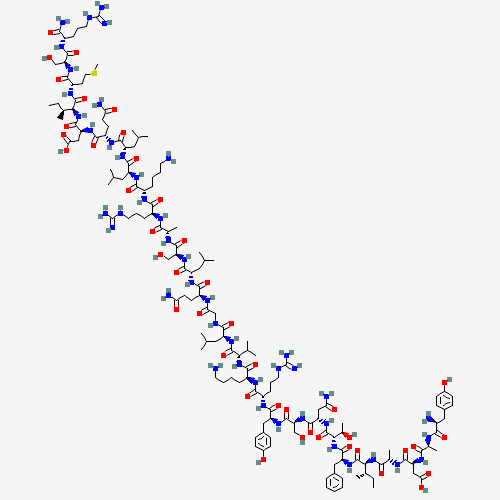
Tyr-Ala-Asp-Ala-Ile-Phe-Thr-Asn-Ser-Tyr-Arg-Lys-Val-Leu-Gly-Gln-Leu-Ser-Ala-Arg-Lys-Leu-Leu-Gln-Asp-Ile-Met-Ser-Arg-Gly
C₁₄₉H₂₄₆N₄₄O₄₂
~3357.93 g/mol
Ipamorelin
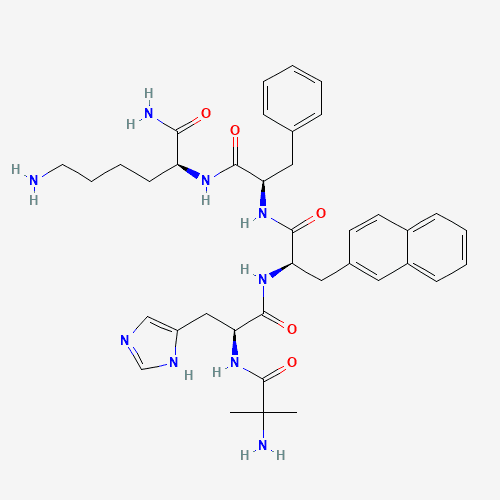
Aib-His-D-2-Nal-D-Phe-Lys-NH₂ (Aib = 2-aminoisobutyric acid, 2-Nal = 2-naphthylalanine)
C₃₈H₄₉N₉O₅
711.86 g/mol