BPC-157 + TB-500 (Wolverine Blend)
What is BPC-157 + TB-500 (Wolverine Blend)?
BPC-157 and TB-500 are synthetic peptides that have been studied individually for their potential roles in tissue repair, recovery, and inflammation modulation. BPC-157 (Body Protection Compound-157) is a fragment of a naturally occurring protein found in gastric juice, researched for its ability to support tendon, ligament, and muscle healing. TB-500 is a synthetic version of a portion of the naturally occurring thymosin beta-4 protein, studied for its influence on cell migration, blood vessel formation, and tissue regeneration. When combined, this blend is explored in research settings for potential synergistic effects on recovery and repair processes.
Potential Benefits Shown in Studies
Benefits of BPC-157 + TB-500 Blend:
- Accelerated healing of muscles, tendons, and ligaments
- Reduced inflammation and joint pain
- Enhanced tissue regeneration and repair
- Improved blood flow to injured areas
- Potential protection against further injury
- Synergistic recovery support post-surgery or intense training
Mechanisms of Action
BPC-157 + TB-500 may work together by:
- BPC-157: Stimulating angiogenesis (new blood vessel formation), supporting fibroblast activity, and influencing growth factor expression to promote connective tissue repair
- TB-500: Enhancing cell migration and differentiation to accelerate regeneration of injured tissues
- Reducing inflammation and oxidative stress, potentially improving the healing environment
- Supporting tendon-to-bone healing and muscle repair in animal models
- Promoting vascular and microvascular circulation in damaged tissues
BPC-157
BPC-157 is a small protein found in the stomach that helps protect the gut, speed up healing, and support blood flow.
View peptide
TB-500
TB-500 is a synthetic peptide modeled after a naturally occurring protein in the body called Thymosin Beta-4. It is used in research due to its potential to support healing, reduce inflammation, and improve blood flow.
View peptide
Research Highlights
Targeted Musculoskeletal Healing
BPC‑157 has been shown in preclinical studies to accelerate healing of tendons, ligaments, muscles, and even bone—boosting collagen formation, promoting angiogenesis, and reducing inflammation.
Cell Migration & Vascular Support via TB‑500
TB‑500 (a fragment of thymosin‑β₄) stimulates cell migration, angiogenesis (new blood vessel growth), and tissue regeneration—key processes in wound healing and recovery.
Human Trial Evidence & Angiogenic Effects
Early human trial data indicates BPC‑157 increases collagen synthesis in human tendon cells (~40%) and supports vascular growth, with well-tolerated safety profiles—though long-term effects remain uncertain.
Comprehensive Regenerative Potential
By addressing multiple healing pathways—cell migration, inflammation reduction, angiogenesis, and tissue remodeling—BPC‑157 plus TB‑500 represent a promising combined strategy for accelerated recovery.
Accelerated Musculoskeletal Healing & Regeneration
Preclinical studies show BPC‑157 markedly enhances repair of tendons, ligaments, muscles, nerves, bones, and vascular tissues in animal models by promoting angiogenesis, collagen synthesis, and fibroblast activity.
Mechanistic Insight: Pathways of Repair and Neuroprotection
BPC‑157 appears to act through multiple pathways including VEGF, nitric oxide signaling, and ERK1/2, leading to improved angiogenesis, reduced oxidative stress, neuromuscular stability, and protection against neurotransmitter imbalances in rodents.
Robust Tendon & Ligament Repair
Rodent models demonstrate that BPC‑157 accelerates healing of Achilles tendon and MCL injuries through aligned collagen fiber formation, increased fibroblast proliferation, and improved structural integrity.
Actin Regulation & Cellular Repair Activation
TB‑500 influences cytoskeletal dynamics by binding to actin monomers (G-actin), promoting cell mobility and facilitating critical steps in tissue repair.
Preclinical Tissue Regeneration & Anti-inflammatory Actions
Animal studies demonstrate that TB‑500 accelerates wound healing, encourages blood vessel formation (angiogenesis), and mitigates inflammation, supporting recovery across multiple tissue types.
Clinical Insights from Thymosin β‑4 Trials
Clinical studies with native thymosin β‑4 (Tβ4) have shown accelerated healing of pressure ulcers and corneal injuries, indicating translational potential for TB‑500 in human tissue repair.
Molecular Structure
BPC-157
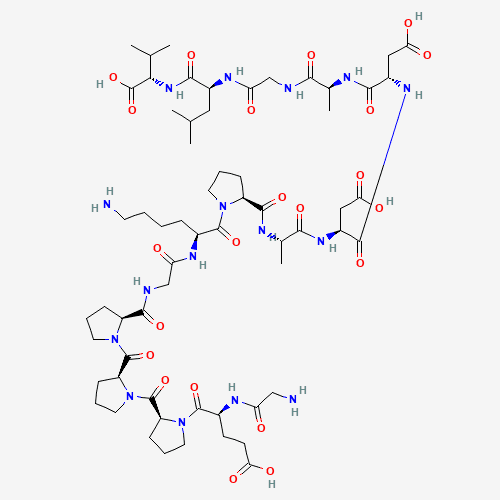
Gly-Glu-Pro-Pro-Pro-Gly-Lys-Pro-Ala-Asp-Asp-Ala-Gly-Leu-Val
C₆₂H₉₈N₁₆O₂₂
1419.556 g/mol
TB-500
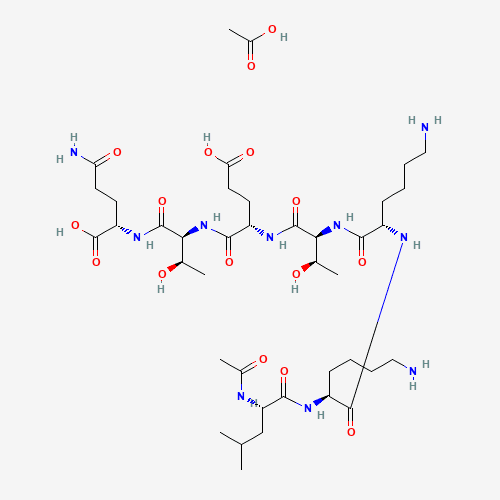
Ac-Ser-Asp-Lys-Pro-Asp-Met-Ala-Glu-Ile-Glu-Lys-Phe-Asp-Lys-Ser-Lys-Leu-Lys-Lys-Thr-Glu-Thr-Gln-Glu-Lys-Gln-Ala-Gly-Glu-Ser
C₂₁₂H₃₅₀N₅₆O₇₈S
4963.49 g/mol