
TB-500
What is TB-500?
TB-500 is a synthetic peptide that replicates a portion of Thymosin Beta-4 (Tβ4), a naturally occurring protein found in most human tissues and blood platelets. It is involved in tissue regeneration, cell migration, and immune modulation. Research has focused on TB-500's role in accelerating recovery from muscle, tendon, and ligament injuries, as well as improving cardiovascular and skin repair outcomes.
Potential Benefits Shown in Studies
- Healing soft tissue like muscles, tendons, and ligaments
- Promoting blood vessel growth (angiogenesis)
- Supporting healthy circulation
- Reducing inflammation and oxidative stress
- Improving flexibility and recovery in injured tissue
- Supporting cell migration and tissue repair
- Enhancing wound healing in skin, eyes, and internal organs
Mechanisms of Action
TB-500's therapeutic potential is largely attributed to:
- Upregulating actin-binding proteins to support cell structure and migration
- Promoting angiogenesis (the growth of new blood vessels)
- Reducing inflammation and oxidative stress at injury sites
- Stimulating satellite cell differentiation to repair muscle tissue
- Improving circulation and oxygen delivery to damaged tissues
Research Highlights
Actin Regulation & Cellular Repair Activation
TB‑500 influences cytoskeletal dynamics by binding to actin monomers (G-actin), promoting cell mobility and facilitating critical steps in tissue repair.
Preclinical Tissue Regeneration & Anti-inflammatory Actions
Animal studies demonstrate that TB‑500 accelerates wound healing, encourages blood vessel formation (angiogenesis), and mitigates inflammation, supporting recovery across multiple tissue types.
Clinical Insights from Thymosin β‑4 Trials
Clinical studies with native thymosin β‑4 (Tβ4) have shown accelerated healing of pressure ulcers and corneal injuries, indicating translational potential for TB‑500 in human tissue repair.
Molecular Structure
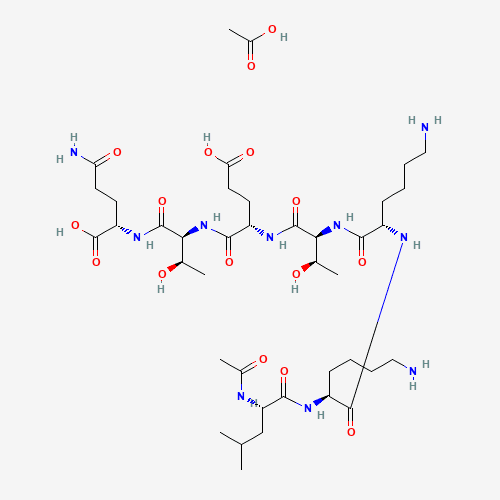
Ac-Ser-Asp-Lys-Pro-Asp-Met-Ala-Glu-Ile-Glu-Lys-Phe-Asp-Lys-Ser-Lys-Leu-Lys-Lys-Thr-Glu-Thr-Gln-Glu-Lys-Gln-Ala-Gly-Glu-Ser
C₂₁₂H₃₅₀N₅₆O₇₈S
4963.49 g/mol