BPC-157
What is BPC-157?
BPC-157 is a synthetic peptide consisting of 15 amino acids, derived from a naturally occurring protective protein found in human gastric juice. It has gained significant interest in preclinical research for its regenerative, anti-inflammatory, and organ-protective properties. While most studies are animal-based, the consistency of findings has positioned BPC-157 as a leading compound for further investigation in wound healing, musculoskeletal repair, and gut health.
Potential Benefits Shown in Studies
- Healing wounds and injuries
- Growing new blood vessels
- Supporting healthy blood flow
- Reducing inflammation
- Boosting the immune system
- Helping the body use certain genes properly
- Balancing hormones in the gut and digestive system
Mechanisms of Action
BPC-157 is believed to work by:
- Increasing angiogenesis (formation of new blood vessels)
- Accelerating collagen and reticulin production
- Stimulating fibroblast and macrophage activity for tissue repair
- Regulating nitric oxide pathways, improving blood flow and cellular response
- Protecting gastrointestinal tissue and enhancing mucosal healing
Research Highlights
Accelerated Musculoskeletal Healing & Regeneration
Preclinical studies show BPC‑157 markedly enhances repair of tendons, ligaments, muscles, nerves, bones, and vascular tissues in animal models by promoting angiogenesis, collagen synthesis, and fibroblast activity.
Mechanistic Insight: Pathways of Repair and Neuroprotection
BPC‑157 appears to act through multiple pathways including VEGF, nitric oxide signaling, and ERK1/2, leading to improved angiogenesis, reduced oxidative stress, neuromuscular stability, and protection against neurotransmitter imbalances in rodents.
Robust Tendon & Ligament Repair
Rodent models demonstrate that BPC‑157 accelerates healing of Achilles tendon and MCL injuries through aligned collagen fiber formation, increased fibroblast proliferation, and improved structural integrity.
Molecular Structure
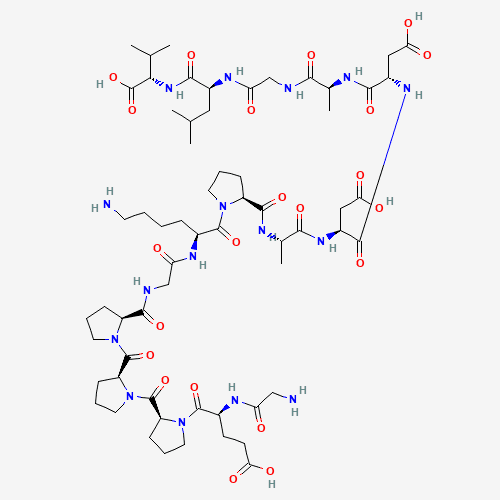
Gly-Glu-Pro-Pro-Pro-Gly-Lys-Pro-Ala-Asp-Asp-Ala-Gly-Leu-Val
C₆₂H₉₈N₁₆O₂₂
1419.556 g/mol