
Selank
What is Selank?
Selank is a synthetic heptapeptide based on the naturally occurring tetrapeptide tuftsin, which is involved in immune function. Developed by the Institute of Molecular Genetics in Russia, Selank has been studied for its anxiolytic (anti-anxiety), nootropic (cognitive-enhancing), and immune-modulating effects. It's classified as a neuropeptide and is typically administered intranasally for rapid central nervous system absorption.
Potential Benefits Shown in Studies
- Reducing anxiety and stress without sedation
- Enhancing focus, clarity, and mental performance
- Supporting memory and learning processes
- Improving mood and emotional stability
- Strengthening immune system response
- Regulating serotonin and dopamine levels
- Reducing symptoms of fatigue and mental fog
Mechanisms of Action
Selank works by:
- Modulating GABA neurotransmission, enhancing the brain's calming response
- Increasing levels of serotonin and dopamine, improving mood and focus
- Regulating the balance of cytokines, contributing to immune system support
- Protecting against oxidative stress and mental fatigue
- Enhancing BDNF (brain-derived neurotrophic factor), supporting neural plasticity
It produces a tranquilizing effect without sedation, cognitive dulling, or dependence — unlike many pharmaceutical anxiolytics.
Research Highlights
Regulates Neurotransmiters and Enhances BDNF Expression
Selank modulates the balance of monoamines such as GABA, serotonin, and dopamine, and has been shown to increase BDNF expression in the rat hippocampus—supporting mood and neuroplasticity.
Inhibits Enkephalin-Degrading Enzymes for Anxiolytic Effects
Selank inhibits enzymes that degrade enkephalins, thereby enhancing endogenous calming peptides and reducing anxiety-like behavior in animal models.
Supports Stress Resilience & Cognitive Function
In rodent models of chronic stress, Selank alleviated depression-like behavior and improved memory and cognitive performance.
Immune System Modulation & Anti-inflammatory Effects
Selank influences cytokine expression—such as IL‑6—and regulatory genes tied to immune function, suggesting both immunomodulatory and neuroprotective properties.
Molecular Structure
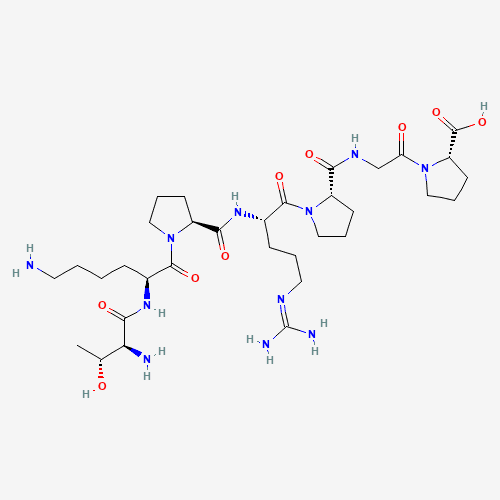
Thr-Lys-Pro-Arg-Pro-Gly-Pro
C₃₃H₅₇N₁₁O₉
~751.88 g/mol