
BPC-157 + KPV
BPC-157
BPC-157 is a small protein found in the stomach that helps protect the gut, speed up healing, and support blood flow.
View peptide
KPV
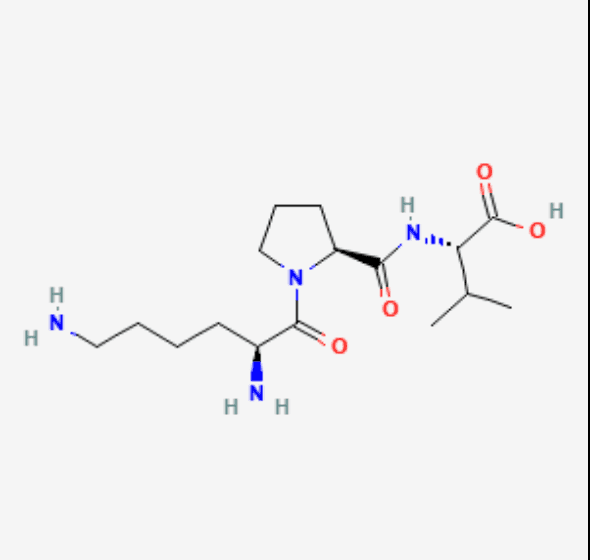
KPV (Lysine–Proline–Valine) is a short tripeptide studied for its potent anti-inflammatory properties. It works by inhibiting pro-inflammatory cytokines like TNF-α and IL-6, primarily through melanocortin receptor pathways. Research suggests KPV may help reduce inflammation in the gut, skin, and other tissues without suppressing the immune system.
View peptide
Research Highlights
BPC-157
Accelerated Musculoskeletal Healing & Regeneration
Preclinical studies show BPC‑157 markedly enhances repair of tendons, ligaments, muscles, nerves, bones, and vascular tissues in animal models by promoting angiogenesis, collagen synthesis, and fibroblast activity.
Mechanistic Insight: Pathways of Repair and Neuroprotection
BPC‑157 appears to act through multiple pathways including VEGF, nitric oxide signaling, and ERK1/2, leading to improved angiogenesis, reduced oxidative stress, neuromuscular stability, and protection against neurotransmitter imbalances in rodents.
Robust Tendon & Ligament Repair
Rodent models demonstrate that BPC‑157 accelerates healing of Achilles tendon and MCL injuries through aligned collagen fiber formation, increased fibroblast proliferation, and improved structural integrity.
KPV
Anti inflammatory
Lysine-Proline-Valine peptide mitigates fine dust-induced keratinocyte apoptosis and inflammation by regulating oxidative stress and modulating the MAPK/NF-κB pathway
Skin benefits
Transdermal Iontophoretic Delivery of Lysine-Proline-Valine (KPV) Peptide Across Microporated Human Skin
Gut Health
A KPV-binding double-network hydrogel restores gut mucosal barrier in an inflamed colon
Molecular Structure
BPC-157
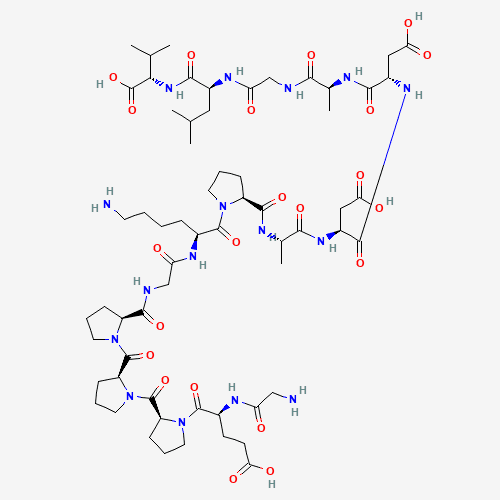
Gly-Glu-Pro-Pro-Pro-Gly-Lys-Pro-Ala-Asp-Asp-Ala-Gly-Leu-Val
C₆₂H₉₈N₁₆O₂₂
1419.556 g/mol
Sources
Similar Research Products
BPC-157+TB-500+KPV (Restore Blend)
View peptide
BPC-157 + TB-500 + GHK-Cu (Glow Blend)
View peptide
BPC-157
View peptide
KPV
View peptide